
# State-to-State Auto Transport: What You Need to Know Before Shipping
Moving a vehicle between states can simplify a relocation, a long-distance purchase, a college move, or a temporary work assignment. Rather than driving hundreds or thousands of miles, you can arrange professional auto transport and focus on the rest of your plans.
BlueRoute Vehicle Transport helps customers explore vehicle shipping options from San Antonio, Texas, to destinations based on route availability and shipment requirements.
## 1. Understand How State-to-State Auto Transport Works
State-to-state auto transport involves arranging for a vehicle to be transported from a pickup location in one state to a delivery location in another. Depending on the service agreement, a transport provider may handle the shipment directly or coordinate with a motor carrier.
The process typically starts with a quote based on your vehicle, route, preferred dates, and chosen transport method. After the details and terms are confirmed, pickup and delivery arrangements are made.
Ask whether the company is acting as a broker or motor carrier and who will be responsible for physically transporting your vehicle.
## 2. Choose Between Open and Enclosed Transport
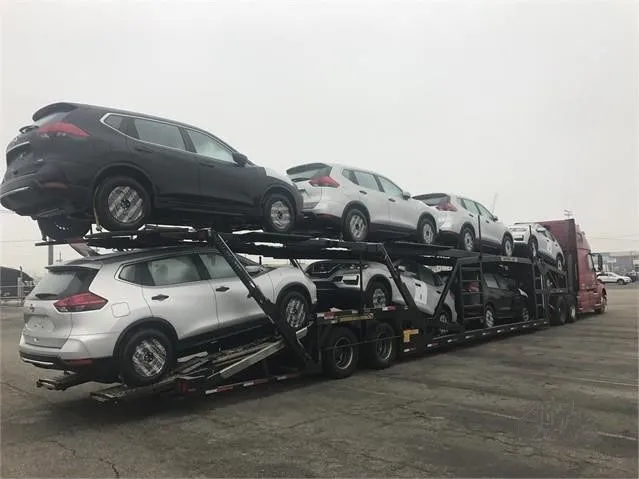
Open car transport is commonly selected for everyday vehicles because it is widely available and generally more economical. The vehicle travels on an open trailer and is exposed to outdoor conditions.
Enclosed car transport uses a covered trailer to provide additional protection from weather and road debris. It may be suitable for classic, exotic, luxury, or collectible cars.
Your choice should depend on the vehicle, your budget, route availability, and the level of protection you want.
## 3. Request a Quote with Accurate Information
To receive a useful quote, provide the vehicle’s make, model, year, approximate condition, pickup ZIP code, delivery ZIP code, and preferred pickup window.
Mention if the vehicle is inoperable, has oversized dimensions, has been modified, or requires special loading equipment. These details can affect pricing and carrier availability.
Quotes can also change based on seasonal demand, route conditions, fuel costs, vehicle size, and pickup accessibility. Review what is included in the quote and whether any additional charges may apply.
## 4. Plan Your Shipping Dates
Try to arrange your shipment early, especially during busy moving periods or when transporting a specialty vehicle. A requested pickup date may be a target rather than a guaranteed appointment, so clarify the expected pickup window in writing.
Delivery time depends on the distance, route, weather, traffic, carrier schedule, and other operational factors. Ask for an estimated delivery window and how updates will be communicated.
If your move involves flights, temporary accommodation, or a new job, leave flexibility in your schedule whenever possible.
## 5. Prepare Your Vehicle
Before pickup, clean your vehicle and take photographs of its exterior. Remove personal belongings and valuables, secure loose accessories, and follow the provider’s instructions for fuel and keys.
Check the tires and battery and report mechanical problems in advance. Make sure the person meeting the carrier has access to the vehicle and can review the inspection report.
At delivery, inspect the vehicle carefully in good lighting when possible. Compare its condition with the pickup documentation and record any concerns on the delivery paperwork before signing, following the agreement’s claims procedure.
## 6. Understand Insurance and Documentation
Ask for information about the motor carrier’s cargo insurance and any applicable limits, exclusions, deductibles, and claims procedures. Do not assume every type of damage or personal item is covered.
Keep copies of your quote, transport agreement, pickup inspection report, delivery paperwork, and relevant communications. If a broker arranges the shipment, clarify how carrier details and insurance information will be provided.
## 7. Confirm Pickup and Delivery Access
Large transport trucks may be unable to enter certain residential streets, gated communities, low-clearance garages, or restricted locations. Discuss access issues ahead of time.
If the exact address is not accessible, the carrier may suggest a nearby safe and legal meeting point. Confirm any changes to the pickup or delivery arrangements before the driver arrives.
## Arrange Your State-to-State Shipment
State-to-state auto transport can make a long-distance move easier when you choose a suitable service and prepare ahead of time. BlueRoute Vehicle Transport offers information about open transport, enclosed transport, door-to-door service, and interstate shipping options.
Contact us at (210) 741-8235 or [info@blueroutevehicletransport.us](mailto:info@blueroutevehicletransport.us) to discuss your route and request a quote.
Before booking, review the final price, pickup window, delivery estimate, payment terms, cancellation policy, and insurance information. Clear expectations help you plan your shipment with greater confidence.